
New Anti-Stalking Legislation is Coming
6th of May, 2026
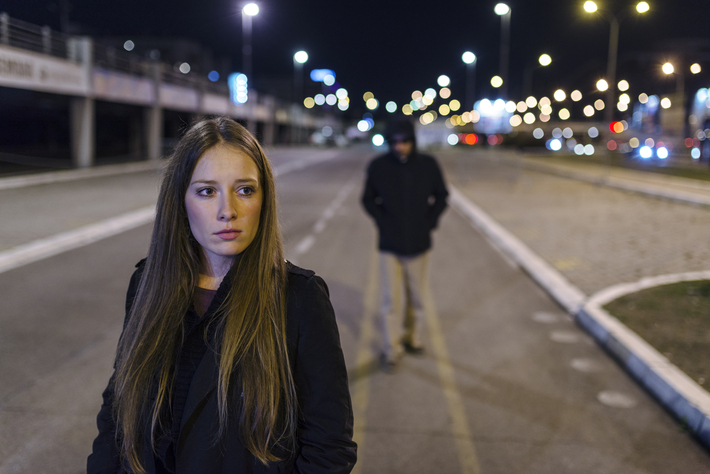
The Crimes (Stalking and Harassment) Amendment Act came into effect on 26 May 2026, making stalking and harassment a standalone offense punishable by up to five years in prison.
Prior criminal justice settings did not adequately respond to stalking. Stalking was considered the same as, or a form of, criminal harassment. It didn’t cover common stalking behaviours which are otherwise lawful, like giving unwanted gifts or watching someone. This legislation ensures these stalking behaviours can also be treated as criminal when they are part of an overall pattern.
Stalking is incredibly common for people experiencing family violence and often escalates when trying to end a violent relationship. This new legislation offers more robust protections for our whai ora and anyone else experiencing stalking, harassment and abuse.
What is stalking?
The new legislation creates the criminal offence of stalking and harassment if someone:
- Engages in a pattern of behaviour knowing it is likely to cause fear or distress to the other person; and
- Engages in a pattern of behaviour by doing any specified act to the other person on two separate occasions in a two-year period.
In short, stalking is when someone repeatedly intrudes on your life without your permission. It is about a pattern of behaviours – no matter who is doing it – that make you scared, upset, anxious or distressed.
Some stalking behaviours may be crimes in and of themselves – threats to hurt you, or physical violence. On the other hand, some stalking behaviours can seem small to outsiders on their own, but if they happen again and again they can become scary and overwhelming. Usually, the more it happens and the longer it goes on, the more of an impact it has on the person being stalked.
Being stalked or harassed can be confusing, exhausting, overwhelming and/or frightening. It can feel isolating. By definition, stalking is something the person being targeted does not want – it’s imposed on them, and the stalker’s behaviour is outside of the targeted person’s control. The responsibility for the stalking behaviour lies with the stalker, not with you.
Stalking behaviours can include:
- Watching, following, loitering
- Recording or tracking
- Threats or harassment
- Online stalking or abuse
- Unwanted ‘gifts’
- Damaging, moving, or interfering with taonga or property, including pets
- Damaging or undermining your reputation, opportunities or relationships
- Doxing: Posting your personal and identifying information (like address, workplace or photos) publicly without consent.
- Image-based sexual abuse aka “revenge porn”: Sharing real or manipulated private and intimate photos or videos of you without consent.
- Proxy stalking: Getting other people to watch, contact or harass you on their behalf, OR stalking your children, friends, family or other people that are important to you or supporting you, such as your lawyer, counsellor or advocate.
Safety Advice
- Reach out to people in your life (neighbours, friends, housemates). Let them know what is happening. Ask them to watch out and to call the Police if they hear anything unusual or concerning. You could set up a code that will tell the neighbours you are in trouble e.g. ringing, hanging up, and then ringing again.
- Stay connected with trusted people. Let them know where you’re going and when you expect to return.
- Vary your routines
- Find places of potential safety (e.g. local police station)
- Check for tracking devices. These can be attached to almost anything – your car, suitcase, handbag, children’s toys, etc.
- Improve home security (change locks, get outside lights, trim bushes and trees to see if anyone is hiding in them)
- Have your address, phone number, and car registration removed from public access
- Protect your digital and online safety (remove saved networks from shared computers, change passwords and pins, turn off location trackers, change your privacy settings on public platforms)
- Limit who has access to your pets' microchip. If the pet is solely in your name, you can do this by contacting the New Zealand Companion Animal Register (NZCAR). If the user of violence also has guardianship of the pet, you will need a court or legal document, or you can contact SPCA for help.
- Develop a plan for yourself and children. Create a plan for any situation (e.g. at home, school, shops, etc.). Role play and practice the plan so you remember it. Help them understand what is going on. They might not need to know the details, but they need to feel reassured.
- Document your experiences. These records can be useful if you seek a court order and even more so if you decide to report to the Police.
Learn more about safety planning.
Getting Support
If you are in immediate danger, call 111.
When the new legislation passes, the Police will be able to charge a stalker immediately or issue a written warning.
Until then, other legal options exist and will be available after even if Police decide not to pursue charges or stalking persists.
If you need help, information, advice, or just a listening ear, you can reach out to Aviva’s free, 24-hour support line at 0800 28 48 26.
Legal Options
Stalking in Family Violence
If the person stalking you is a partner, ex-partner, flatmate, family member, or anyone you have had a close personal relationship with, you can apply to the Family Court for a Protection Order, Property Order and Furniture Order. If you have children together, you can apply for a Parenting Order. Police can also issue a short-term Police Safety Order.
- Protection Orders prohibits someone from contacting, following, threatening, or harming you.
- Property Orders can help you stay in a shared home and make the person using violence leave.
- Furniture Orders can help you keep and use shared furniture.
- Police Safety Orders requires the person to leave your home, stay away, and not contact you for a set period of time (up to 10 days), even if they own or normally live in the property.
Non-Family Stalking
If the person stalking or harassing you is not a partner or family member, such as a coworker, acquaintance, neighbour, or stranger, you can apply to the District Court for a Restraining Order. A Restraining Order prohibits the person from contacting, approaching, or monitoring you in any way, including by phone, text, email, or social media.
Online Stalking
Netsafe is the first port of call for all online stalking, bullying and harassment.
Legal aid, advice & support
If you can access it, legal advice and support can be very helpful. A lawyer can help you fill out forms, apply for legal orders and represent you in court. Here are some possible options if you cannot afford legal fees:
- Legal Aid: If you qualify (primarily low-income), legal aid can help you to pay for a lawyer. To find out if you qualify, talk to a legal aid lawyer, your local Community Law Centre, or Citizens Advice Bureau. Depending on your income, any property owned, and your type of case, you may have to repay some or all of your legal aid as it is considered a “loan”.
- Community Law Centres: These offer some free legal help through clinics held regularly throughout the country. Depending on your situation, they may be able to help you with more intensive ongoing advocacy. They also provide an online law manual in plain language to help you know your rights in all areas of the law. Including a section on bullying and harassment. Sometimes they can refer you to other local lawyers or services.
- Family Legal Advice Services: These provide free legal advice for people who qualify based on income and number of dependents. They can only give you initial advice to help you understand your rights and options and help you with Parenting Order applications forms. They cannot represent you in court, and you can only use the service once a year.
For more information, see Aviva's legal information page.
Helping Someone Else
If a friend or family member or someone else you know is being stalked, your support can make a big difference.
- Listen without judgment and believe what they say.
- If they are describing concerning “red flag” behaviour but not identifying it as stalking, you can use the descriptions in this guide to help them decide whether the information in this guide may be relevant and useful.
- Encourage them to make their own decisions about what courses of action seem best. Stalking can feel like a loss of autonomy – the ability to control one’s own life. You can help them regain the sense they can make their own decisions.
- Ask how you can help and offer practical help that they may need.
- With their permission, research and discuss their options with them. Offer to call Aviva or other helplines on their behalf for advice.
- Offer to go with them to appointments to take notes or offer support. When someone is scared, stressed, anxious, and/or not sleeping well, it can be even harder to remember and keep track of things.
- Offer a safe place to stay, help with childcare, transport, or financial support.
Read more advice for family and friends.
Learn more on the legislative changes from the Ministry of Justice, the Beehive, and the RNZ article.
Much of the information in this blog comes from the Auckland Women’s Centre. Learn more from their full Stalking Response Guide.